 1 / 3
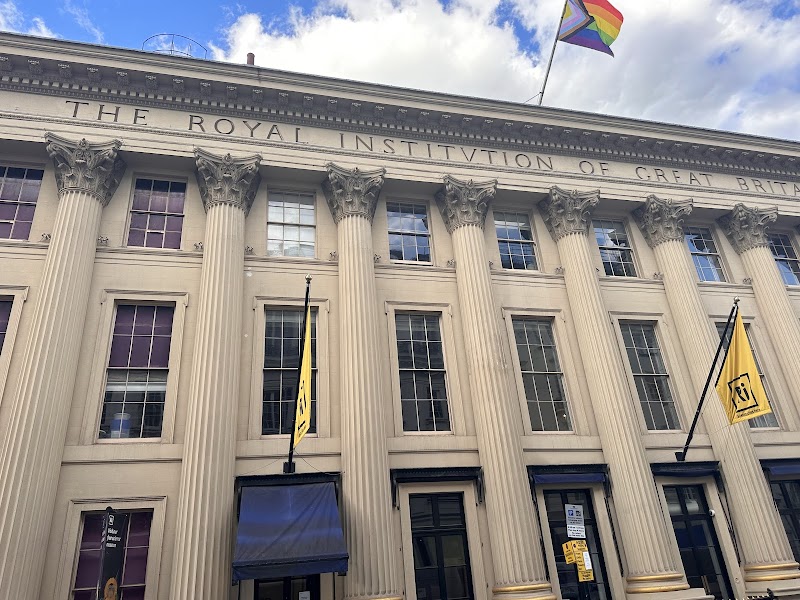
1 / 3Faraday Museum at The Royal Institution
📍 London, Greater London
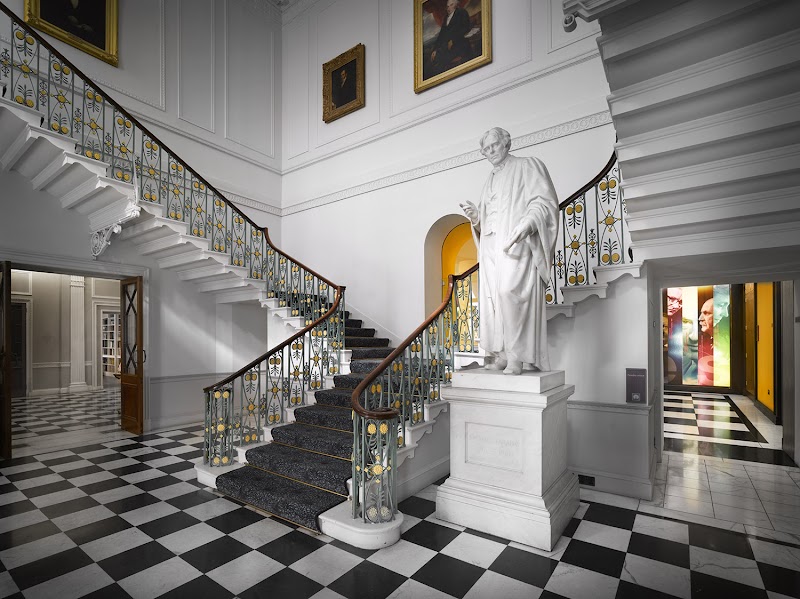
Free three-floor museum in the Royal Institution basement featuring Michael Faraday's reconstructed magnetic laboratory, original scientific equipment, an interactive periodic table game, and displays on Nobel Prize-winning discoveries.
This free museum in the basement of the Royal Institute is super interesting and well worth 30-45 minutes. It includes information about the institute, key people and their discoveries and objects - and even a reconstructed Faraday’s lab! I found myself learning a lot throughout (particularly as a non-science person), as I wasn’t aware so many discoveries were founded by people from here - like the miner’s safety lamp 1815, 10 elements (including sodium, potassium), why the sky is blue, and the vacuum flask, to name a few. Facility wise, very clean toilets in the ground floor lobby.
🏆 Family Action Verdict
Best for science-curious children aged 8 and up who can engage with exhibit plaques and historical artefacts. The compact format suits a focused 45-minute stop rather than a full day. Free admission makes it low-risk for families testing a child's interest in science history. Toddlers can attend and the content is text-heavy for under-5s.
ℹ️ What to Know Before You Go
💬 What Families Are Saying
View all reviews →247 Google reviews
Becky T
a year ago
“This free museum in the basement of the Royal Institute is super interesting and well worth 30-45 minutes. It includes information about the institute, key people and their discoveries and objects - and even a reconstructed Faraday’s lab! I found myself learning a lot throughout (particularly as a non-science person), as I wasn’t aware so many discoveries were founded by people from here - like the miner’s safety lamp 1815, 10 elements (including sodium, potassium), why the sky is blue, and the vacuum flask, to name a few. Facility wise, very clean toilets in the ground floor lobby.”
Laura Milner
2 months ago
“Really fascinating museum, inspiring to see these historical scientific items. It really made me remember why I fell in love with science. It would be nice to have some added information about James Dewar to highlight that he was the first person to measure the Electroretinogram in a human! An important discovery for clinical visual electrophysiologists all over the world :) the staff were really friendly as well.”
Chasen Tedder
4 years ago
“Fun, free little museum in the royal institute. They have a couple fun things for kids to see. A bunch of artifacts on display from Faraday and others. Plaques describe the artifacts and meaning to the scientific community. Michael Faraday's lab is left intact and on display. The staff was friendly. The location was clean. The amenities were nice. It's a fun little experience for an hour or so.”
o s
9 months ago
“So much information on science too see and history of how It was years ago. Well worth the visit and it's free to go the museum. I found it so interesting I am thinking of booking one of there shows on there website. It has a small exhibition on science you can watch and a interactive periodic table plus loads of science equipment.”
Reviews from Google
Overview
The Faraday Museum presents 200 years of scientific history across three floors, anchored by Faraday's magnetic laboratory preserved from the 1850s. Displays include the first electrical transformer, Humphry Davy's mining lamp, and equipment that explained why the sky is blue. A lift serves all floors. An interactive chemical elements game adds a hands-on layer. Compact enough to cover thoroughly in under an hour.