1 / 2
1 / 2The Clockmakers' Museum
📍 London, Greater London
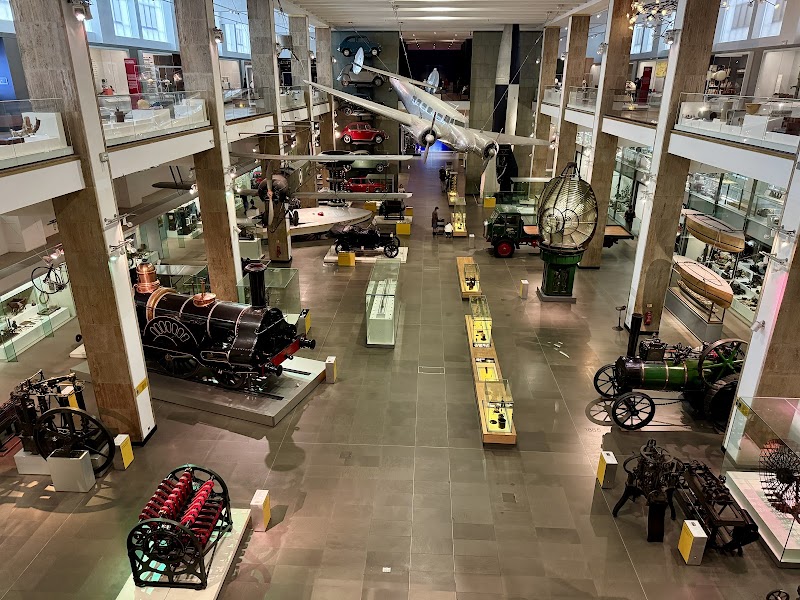
The Clockmakers' Museum holds the world's oldest collection of clocks, watches, and marine chronometers, curated by the Clockmakers' Charity. Located inside the Science Museum with no separate entrance. Free to enter.
A fascinating and beautifully curated museum. The Clockmakers’ Museum is small but packed with history, craftsmanship and detail. The collection of clocks, watches and marine chronometers is impressive, and the information is presented clearly and thoughtfully. It’s a calm, quiet space that really lets you appreciate the skill and precision behind the exhibits. Staff were knowledgeable and happy to answer questions, which added a lot to the visit. A real hidden gem in London and well worth a visit, especially if you’re interested in history, design or engineering.
🏆 Family Action Verdict
Best for families with children aged 7 and up who are drawn to how things work, the history of navigation, or precision craftsmanship. The scale is intentionally compact — expect 30 to 45 minutes rather than a full day. Works best as one stop within a wider Science Museum visit.
ℹ️ What to Know Before You Go
💬 What Families Are Saying
View all reviews →138 Google reviews
Alex Gueho
3 months ago
“A fascinating and beautifully curated museum. The Clockmakers’ Museum is small but packed with history, craftsmanship and detail. The collection of clocks, watches and marine chronometers is impressive, and the information is presented clearly and thoughtfully. It’s a calm, quiet space that really lets you appreciate the skill and precision behind the exhibits. Staff were knowledgeable and happy to answer questions, which added a lot to the visit. A real hidden gem in London and well worth a visit, especially if you’re interested in history, design or engineering.”
C Ng
2 years ago
“I visited the Science Museum solely for this exhibition; even though it's called a "museum", it 's more like a gallery housed at the Science Museum. Regardless of its size I still found it enjoyable to visit and learn some history of watchmaking and horology. Such a gem! Really recommended.”
Daniel Sweeney
2 years ago
“Located inside the Museum of Science (does not have its own sign or entrance). Really unique and cool look at the history of clockmaking, watches, and overall impact timekeeping has had on human history. Some great narratives and artifacts, especially if you are into watches and clocks.”
Ankur soni
6 months ago
“📍The Clockmakers' Museum 🇬🇧 - believed to be the oldest collection specifically of clocks and watches in the world. The collection belongs to and is administered by the Clockmakers’ Charity, affiliated with the Worshipful Company of Clockmakers, founded in 1631 by royal charter. These photos were taken at the Clockmakers’ Museum, during my visit at the Science Museum: a marine timekeeper, two longcase clocks, an orrery clock. Each of these pieces tells a story — and with the help of Guildhall Library’s collections, you might discover the story behind one of the clocks pictured here. The Guildhall Library offers a wide range of resources for researchers, collectors, and enthusiasts alike. These include the libraries of the Clockmakers’ Company and the Antiquarian Horological Society, the records of the Clockmakers’ company and many sources in the Library’s general collections such as directories. Whether you are looking to learn about a maker’s life, understand how timepieces were made, or identify who made a particular clock or watch, Guildhall Library is a great place to start. Come to visit our Library! #strollondon #clockmakersmuseum #wheninlondon”
Reviews from Google
Overview
The Clockmakers' Museum sits within the Science Museum on Exhibition Road and requires no separate ticket or entrance. The collection spans centuries of horological craft — pocket watches, longcase clocks, marine chronometers used for navigation, and precision instruments. Displays are clearly labelled with historical context. The space is calm and intimate, a marked contrast to the Science Museum's busier galleries. Staff from the broader Science Museum are accessible nearby.